Visit Chichén Itzá
Chichén Itzá is the main reason many visitors travel inland from Cancún, Playa del Carmen or the Riviera Maya. This ancient Maya city is one of Mexico’s most famous sights, and for many travelers it becomes the highlight of a trip to Yucatán. Its towering pyramid, wide plazas, carved stone details and jungle setting make it feel powerful and unforgettable when you first see it rising from the heat and open landscape.
Tickets & Tours
Still, visiting Chichén Itzá is not always as simple as choosing a ticket and showing up. The ancient Maya city sits inland in Yucatán, far from the main beach resorts of Cancún, Playa del Carmen and Tulum. Getting there takes more time than many visitors expect, and the heat, crowds and travel distance can shape the whole day.
That is why it helps to plan Chichén Itzá as the anchor of your Yucatán day trip. Once you know when and how you want to visit the archaeological site, it becomes much easier to decide whether to add a cenote, Valladolid, a buffet lunch, a guided tour or extra time in the surrounding area.
Why Chichén Itzá is the main attraction in Yucatán
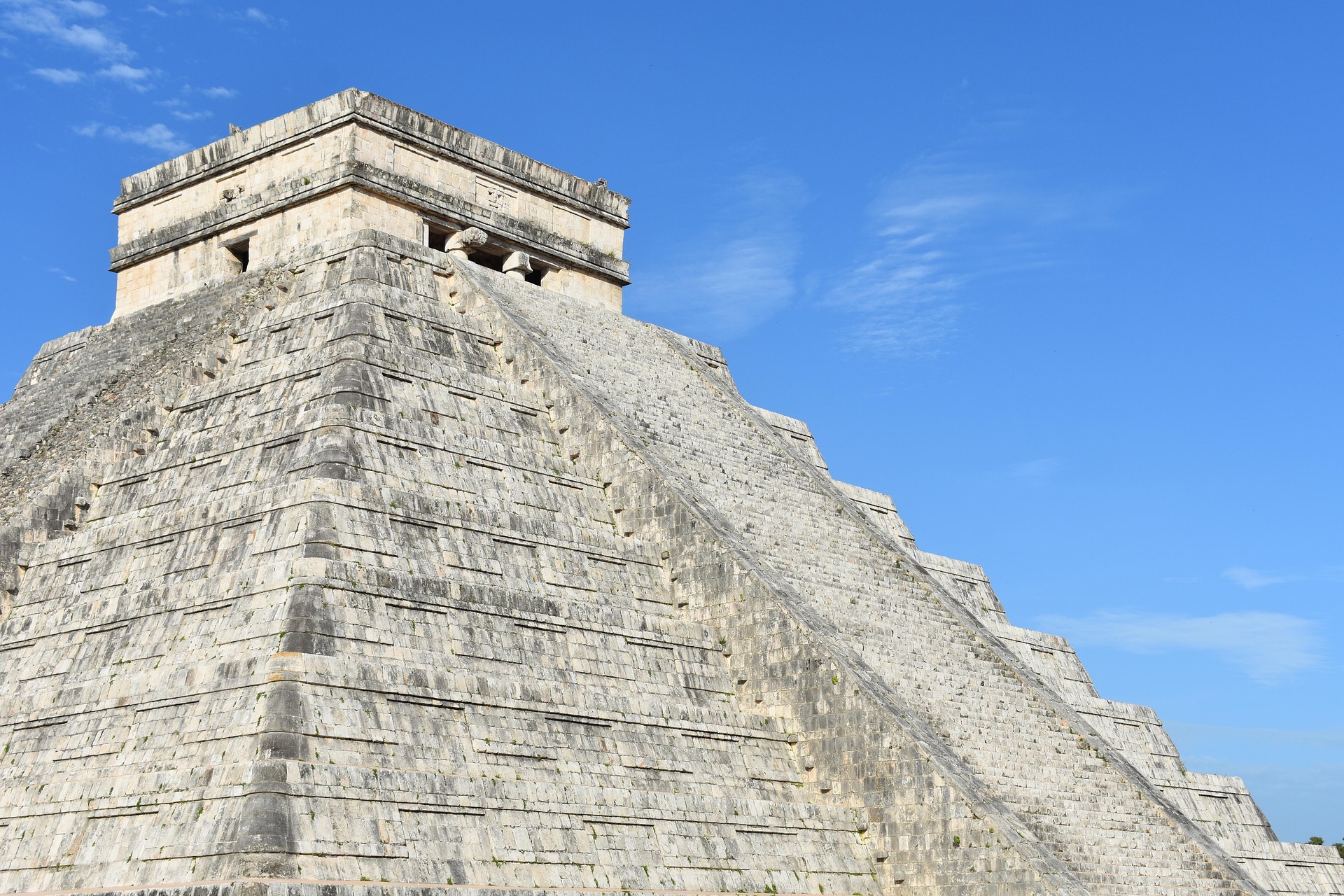
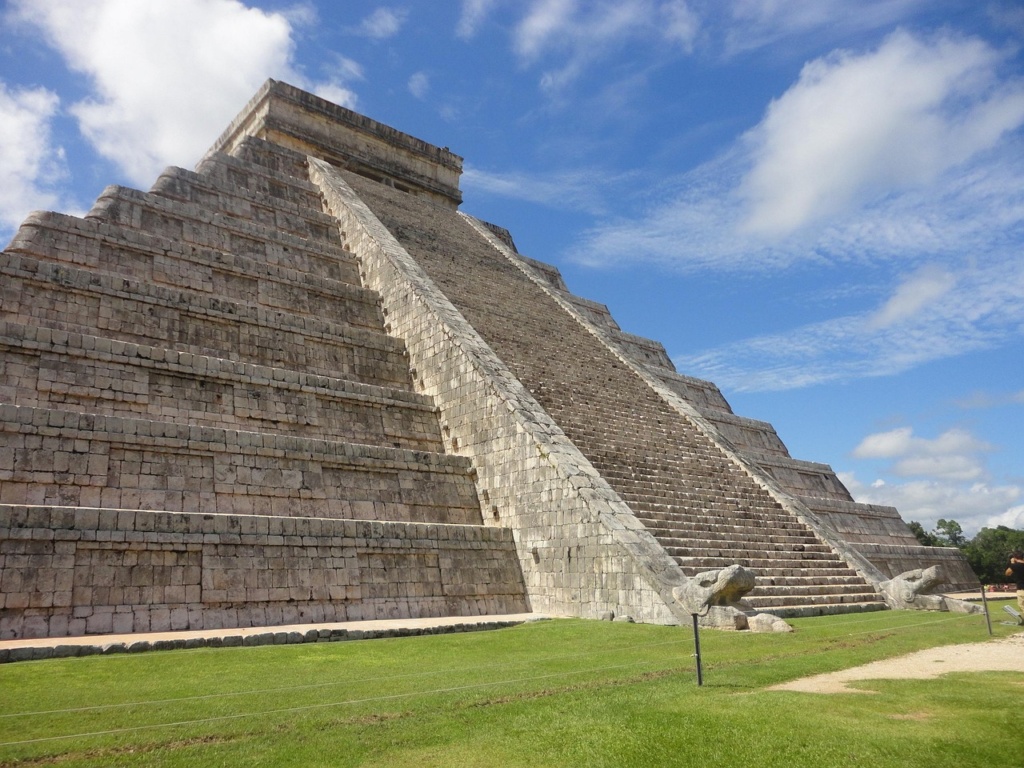
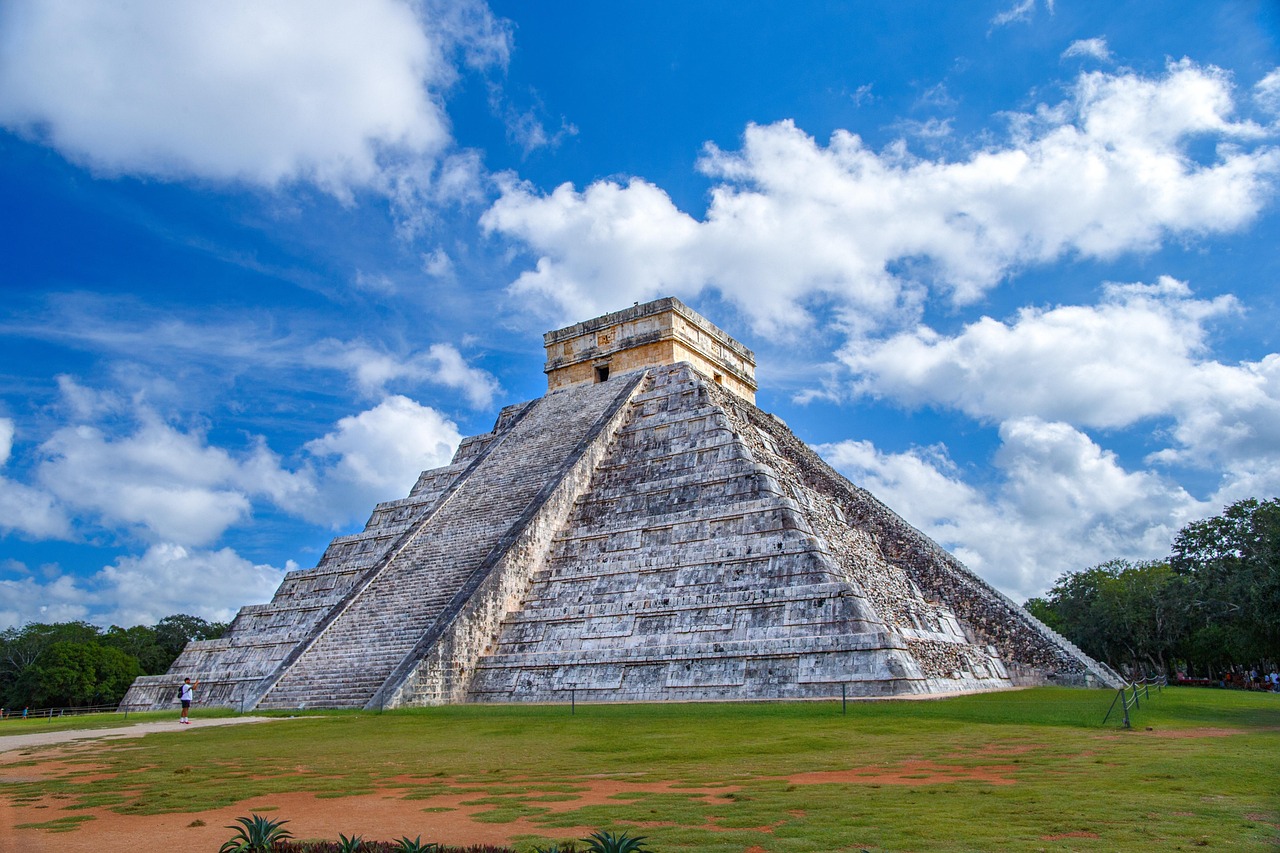
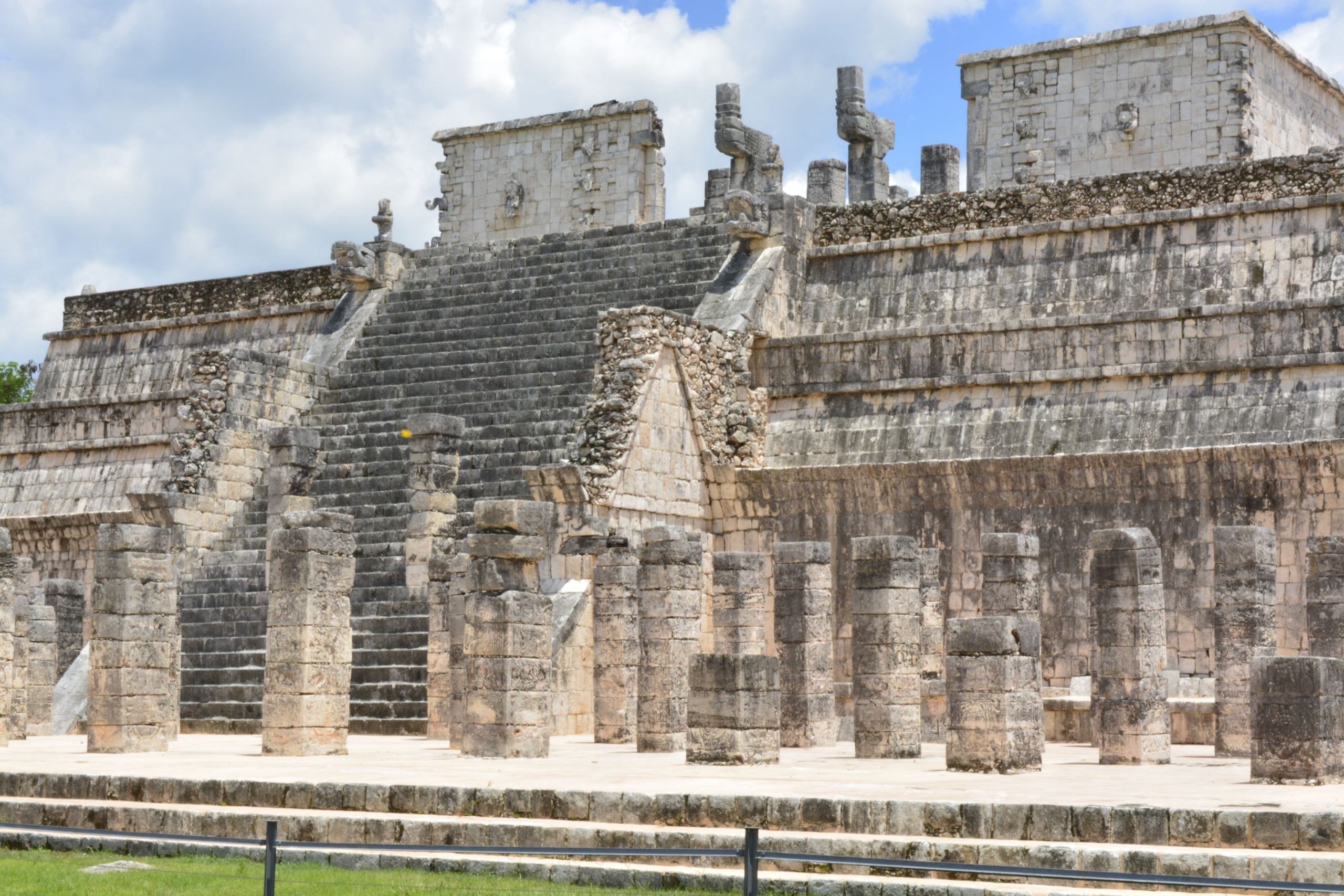
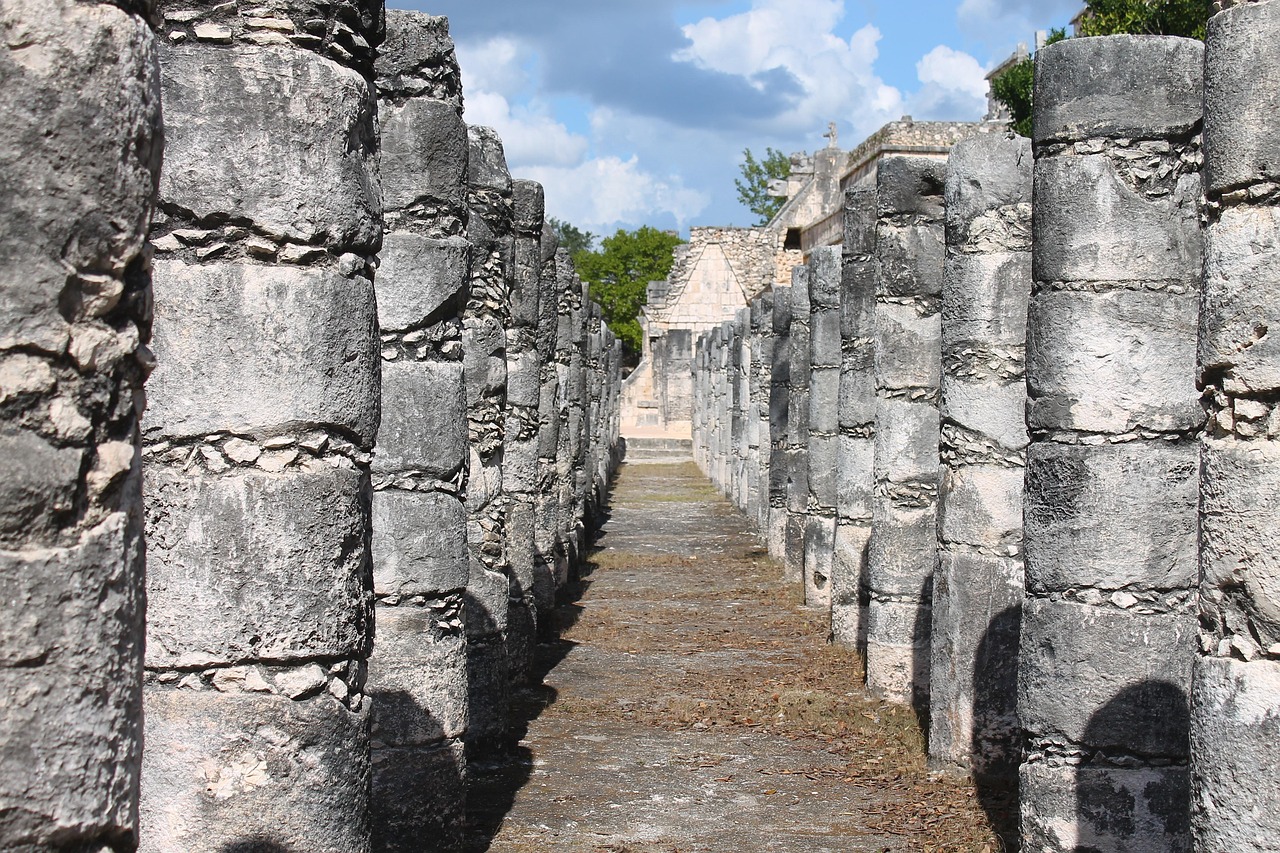
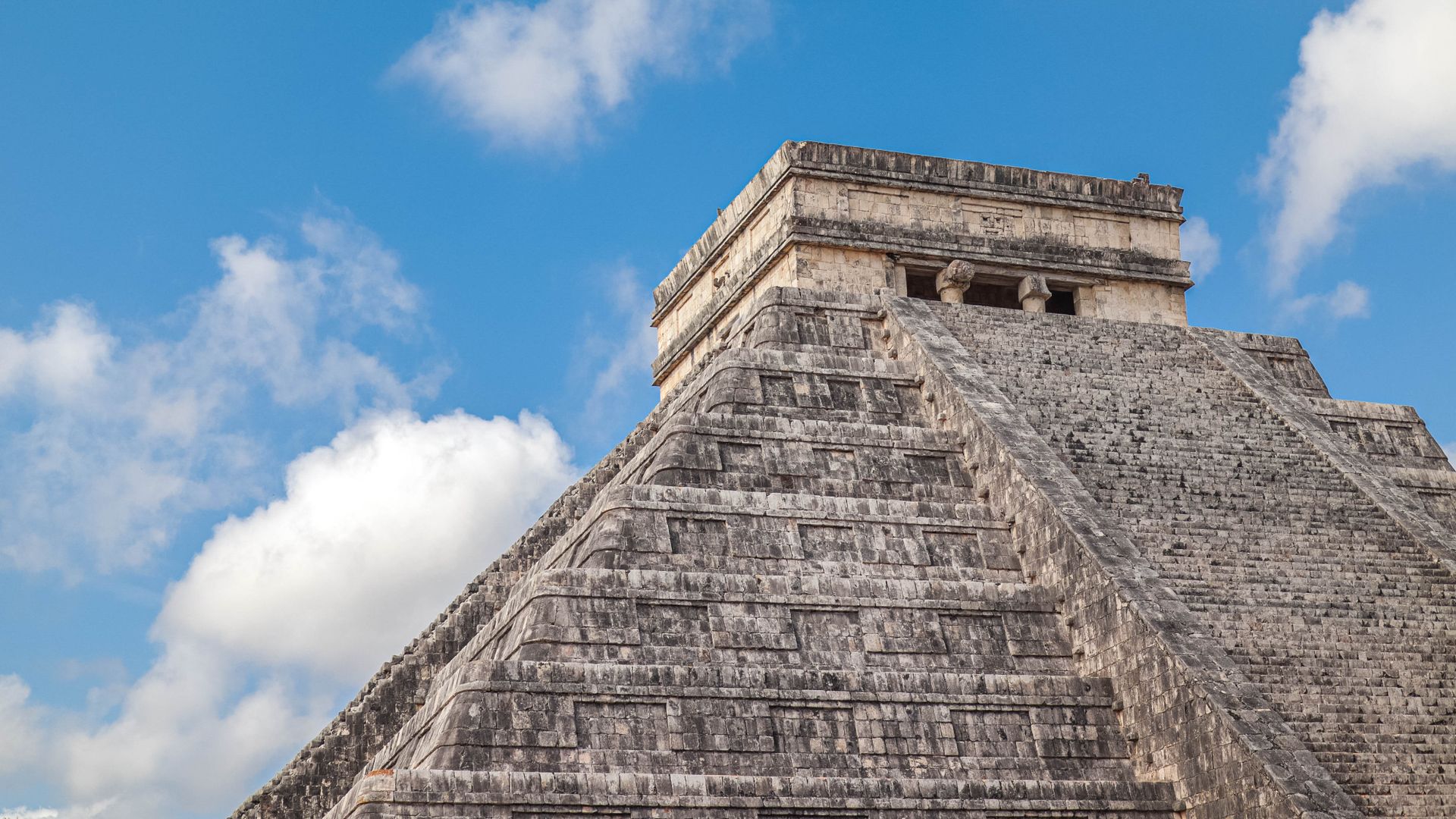
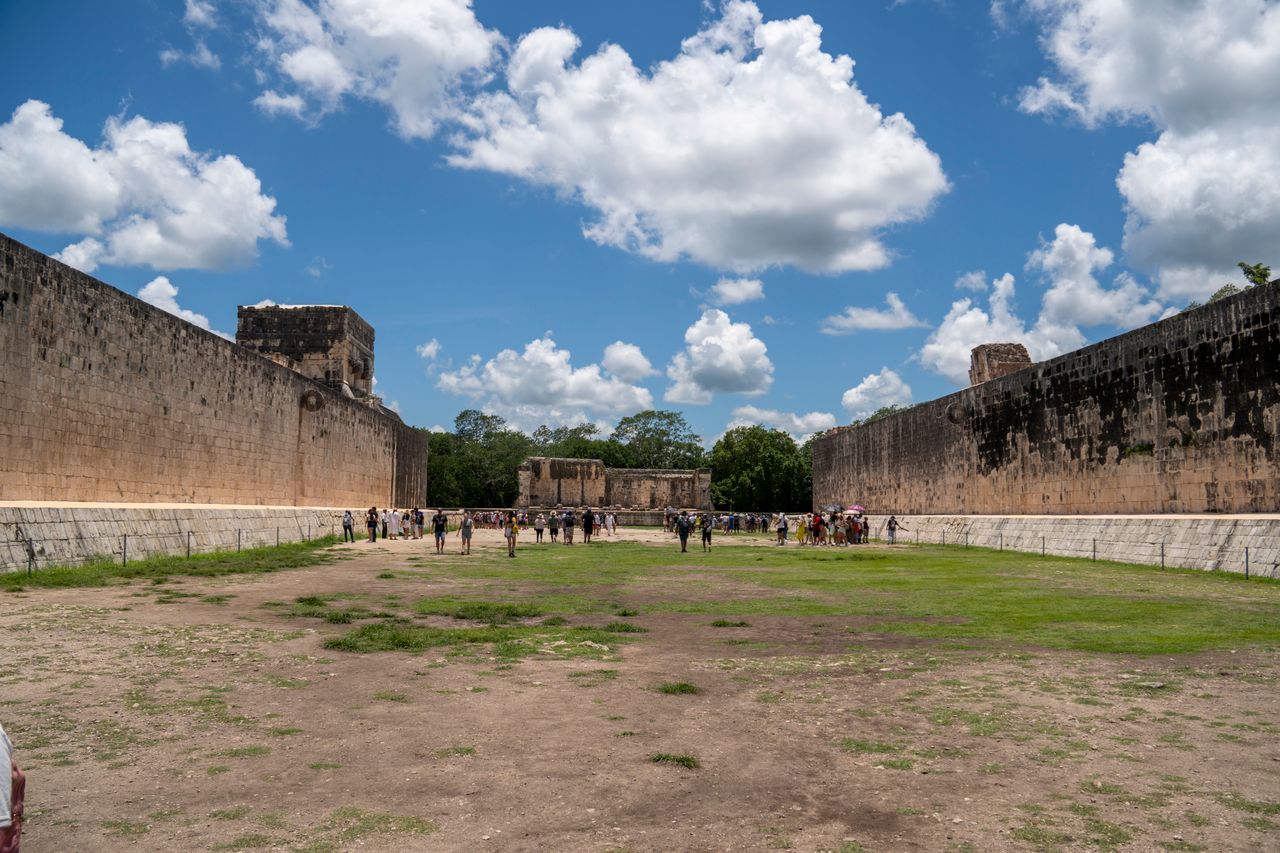
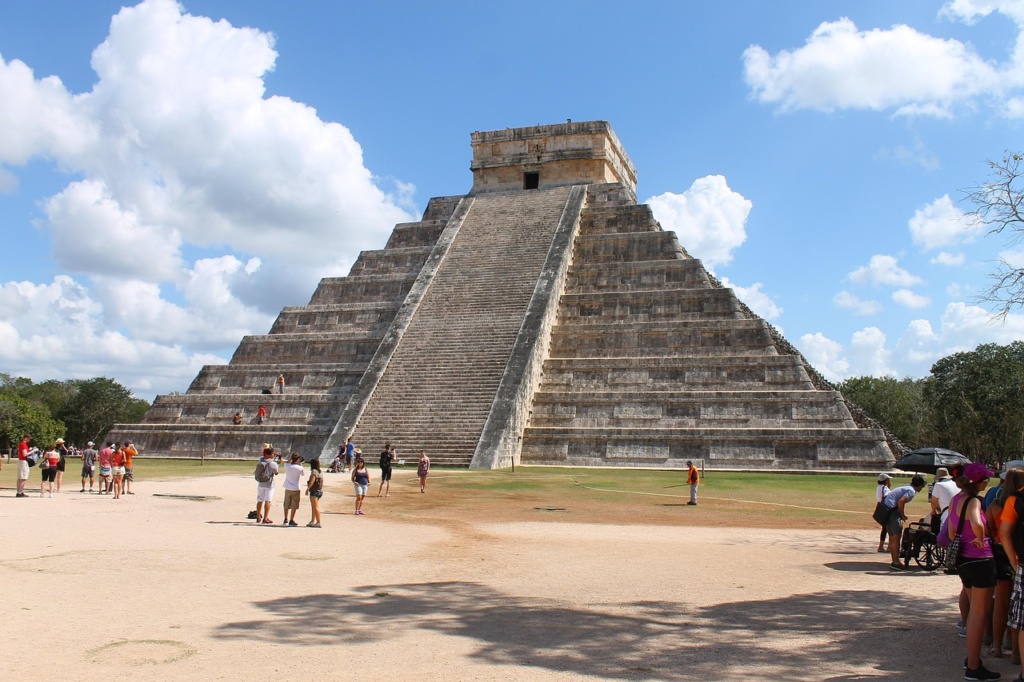
Chichén Itzá is the image many people have in mind when they think of ancient Maya Mexico. The pyramid of El Castillo, the wide plazas, the Temple of the Warriors and the Great Ball Court make the site feel powerful from the moment you arrive. The visit is not only about seeing one famous pyramid. The scale, stone carvings, history and open landscape all form part of the experience.
This is also one of the Yucatán attractions where timing matters most. The site can get hot and busy, especially later in the day when more tour groups arrive. A visit that looks simple on a map can quickly feel tiring if you do not leave enough time for transport, walking, shade breaks and the journey back.
For that reason, many visitors start with one important question: when should I visit Chichén Itzá? The answer depends on your starting point, your ticket or tour, and what else you want to include in your day. A traveler coming from Cancún may need a different plan from someone staying in Valladolid, Playa del Carmen or Tulum.
Tickets and entry options
Chichén Itzá tickets can be confusing at first, because not every visit works the same way. Some visitors only want entrance to the archaeological site, while others prefer a guided tour, transport from the coast or a full day trip with a cenote and Valladolid included. That difference matters, especially if you are staying far away from the site.
Your ticket choice should not be treated as a small detail. It can decide when you need to leave Cancún, Playa del Carmen or Tulum, how much time you have at the ruins, and whether the day feels relaxed or rushed. A simple entrance ticket can work well if you have your own transport or stay nearby. A guided day trip can be easier if you want the route, transport and timing handled for you.
If Chichén Itzá is your main priority, it is better not to leave tickets or tours until the last moment. During high season, weekends and holiday periods, the most convenient options can sell out or become more expensive. Planning ahead also helps you avoid arriving during the hottest and busiest part of the day.
Visiting independently or with a tour
You can visit Chichén Itzá on your own, and for some travelers that works well. This is easiest if you have a rental car, stay in Valladolid or are comfortable planning transport across Yucatán yourself. Independent travel gives you more freedom, and it can also help if you want to arrive early or spend longer at the site.
The trade-off is that you need to manage the timing yourself. That matters most if you are coming from Cancún, Playa del Carmen or Tulum, because the travel distance is long. You also need to think about parking, entrance, food, heat, return transport and whether you want to add a cenote or Valladolid on the same day.
A tour can be easier if you want transport, tickets and route planning handled for you. It can also make sense if you want to combine Chichén Itzá with a cenote swim, lunch or a short stop in Valladolid without arranging everything separately.
There is no single best choice for everyone. Independent travel is better if you want flexibility and control over your day. A tour is often better if you want a smoother trip from the Riviera Maya with fewer moving parts.
Tickets & Tours
What else to see near Chichén Itzá
Chichén Itzá is usually the first priority, but it is rarely the only place visitors consider. The surrounding area has cenotes, colonial towns and smaller Maya sites, and each one gives the day a different feeling.
Cenote
A cenote is the most natural second stop for many visitors. After walking around Chichén Itzá in the heat, a swim in a freshwater sinkhole can make the day feel more balanced. Many tours include a cenote after the ruins, and this often works well because it gives you a break before the return journey.
Valladolid
Valladolid is another logical option. This colorful colonial town is one of the easiest places to combine with Chichén Itzá, especially if you want lunch, a short walk or a more local atmosphere. It is very different from the archaeological site, which makes the combination appealing.
Ik kil
Ik Kil is one of the best-known cenotes near Chichén Itzá. It is popular, photogenic and easy to add to many routes, but it can also get busy. Other cenotes in the wider area may feel quieter, depending on your route and how much time you have.
Ek Balam
Ek Balam is different again. This archaeological site is smaller and less famous than Chichén Itzá, but it can feel more relaxed and less crowded. It is a better addition if you are staying nearby or have your own transport, because combining multiple sites in one day can become tiring.
Riviera Maya
Mérida, Cancún, Playa del Carmen and Tulum are more about where your day starts or ends. From the Riviera Maya, Chichén Itzá is usually a long day trip. From Valladolid or Mérida, the visit can feel easier and more flexible. These places can all work as a base, but they create very different travel days.
Impression of Chichén Itzá
Planning a realistic Chichén Itzá day
The easiest way to plan Chichén Itzá is to start with the archaeological site and build from there. First decide whether you want to visit independently or with a tour. Then think about your starting point, travel time and how early you want to arrive. After that, choose which extra stop fits your pace.
If you want the classic first visit, Chichén Itzá and a cenote make a strong combination. If you want a more complete day, adding Valladolid can work well. If you prefer a quieter route, staying nearby or visiting from Valladolid gives you more flexibility than traveling from the coast.
Trying to add too much in one day often sounds better online than it feels in practice. Chichén Itzá involves heat, walking, crowds and long travel times from many resort areas. A slightly simpler route usually creates a better visit.
Start with Chichén Itzá
Chichén Itzá is the best starting point for planning your visit to Yucatán. It affects your ticket choice, timing, transport and route. Once that part is clear, the rest of the day becomes easier to shape.
Use this site to compare tickets and tours, understand your travel options, plan your route and decide how much of the area you want to include. Chichén Itzá may be the highlight, but the best visits are planned as a complete Yucatán day.
Book early | Limited availability | Free cancellation
History
Chichén Itzá has a history that reaches back long before it became one of Mexico’s most famous landmarks. The city developed as an important Maya center in the northern Yucatán Peninsula, where trade, religion, politics and astronomy all played a major role. Its name is often linked to the nearby natural wells, or cenotes, that helped support life in this dry limestone landscape.
The city grew in power between the Late Classic and Postclassic periods. During this time, Chichén Itzá became a major regional capital, with temples, plazas, platforms, roads and ceremonial spaces spread across a large area. It was not just a religious site. It was a living city with political influence, economic activity and connections across the Maya world.
The best-known structure is El Castillo, also called the Temple of Kukulcán. This stepped pyramid reflects the importance of religion, power and astronomical knowledge in the city. Other major structures, such as the Great Ball Court, the Temple of the Warriors and the Observatory, show how complex and organized Chichén Itzá once was.
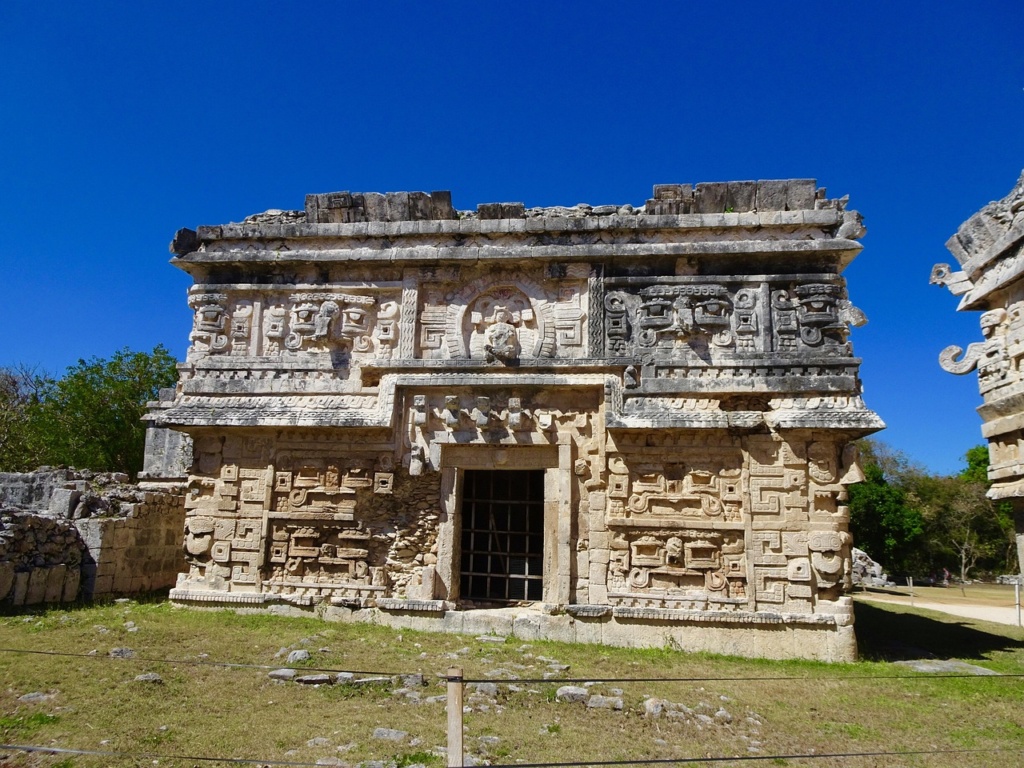
Chichén Itzá also reflects a mix of cultural influences. Some buildings show strong Maya traditions, while others suggest contact with central Mexico and wider Mesoamerican ideas. This blend gives the site much of its character and helps explain why it feels different from many other Maya ruins.
Nowadays
After its period of greatest power, Chichén Itzá gradually lost political importance, but it was never forgotten. The site remained meaningful in local memory and later attracted explorers, archaeologists and travelers from around the world. Today, Chichén Itzá is a UNESCO World Heritage Site and one of the clearest symbols of ancient Maya civilization in Mexico.