
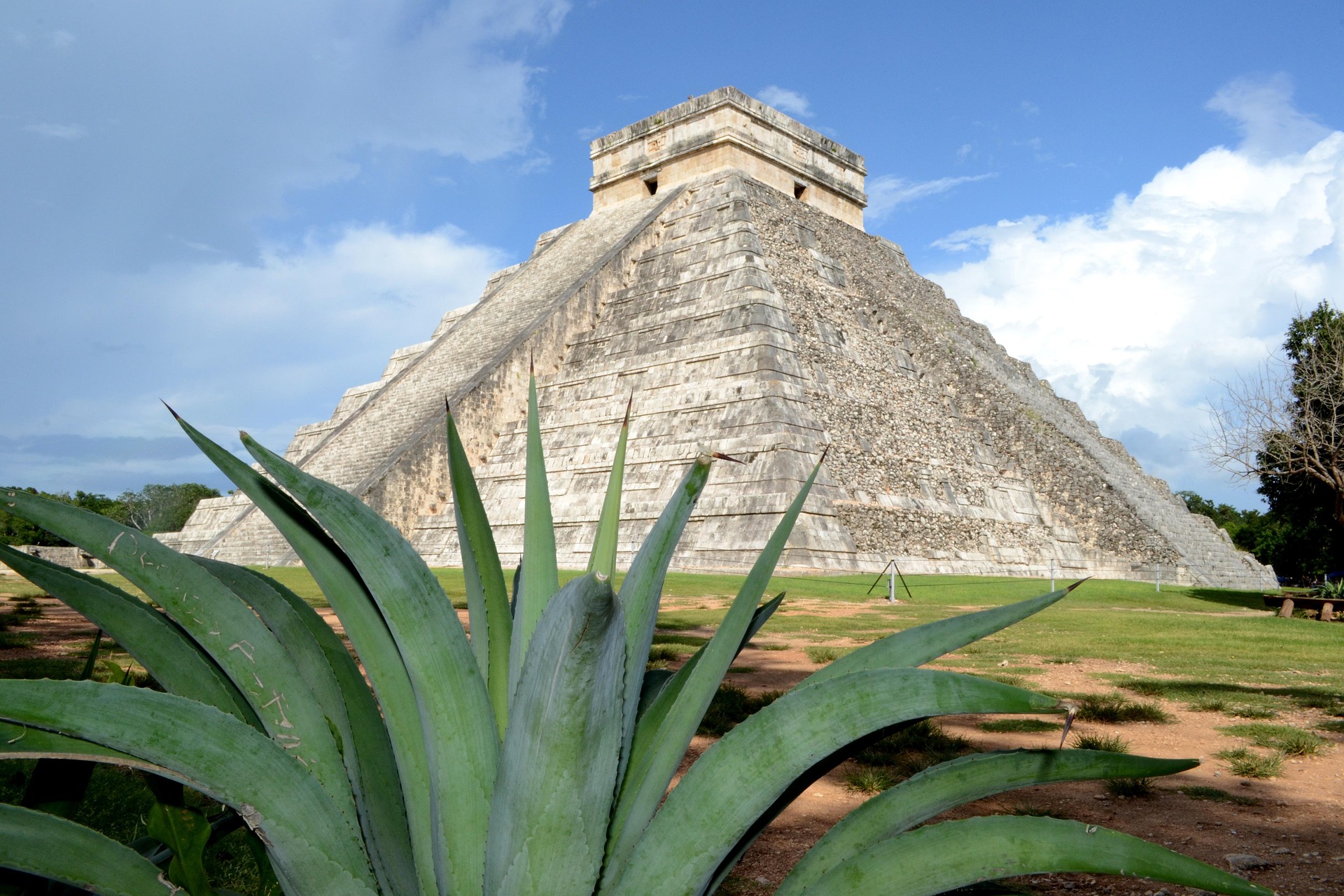
Timing can shape your entire experience, which leads to an important planning question: what is the best time of day to visit Chichén Itzá?
For most visitors, early morning offers the best combination of cooler temperatures, softer light, and a calmer atmosphere. You also have more time to explore before the strongest heat develops across the open archaeological site. Late afternoon can work as well, although closing times and possible transport delays make it less flexible.
Chichén Itzá is much larger than the famous view of El Castillo may suggest. Several important structures are spread across a wide outdoor area, and many paths offer limited shade. Your arrival time therefore affects your comfort, pace, photography, and plans for the rest of the day.
Tickets & Tours
Choose Your Visit Date
Choose Your Visit Date
Choose Your Visit Date
Why early morning is usually the best time
Early morning usually provides the most comfortable conditions for exploring. The air is cooler shortly after opening, while the ground and stone have not yet absorbed the day’s heat. This makes the walk between El Castillo, the Great Ball Court, and other exposed areas less demanding.
Visitor numbers may also be lower during the first part of the day, although the site will rarely feel empty. Chichén Itzá is one of Mexico’s best-known landmarks and attracts visitors throughout the day. Arriving early simply improves your chances of seeing the main spaces before the largest daytime groups appear.
Starting early also gives you enough time to explore beyond the central pyramid. The Great Ball Court, Temple of the Warriors, columns, platforms, and cenotes all add depth to the visit. You can see these areas without turning the experience into a hurried walk.
The rest of your day becomes easier to organise as well. You may want to cool down at a cenote, have lunch nearby, or continue towards Valladolid. These combinations remain realistic when you finish at Chichén Itzá before late afternoon.
How early should you arrive?
Try to reach Chichén Itzá close to the official opening time. This gives you access to the coolest hours and leaves a generous amount of time for exploring. Opening schedules can change, so check the current information shortly before your visit.
Arriving at the parking area does not mean you will enter immediately. You may still need to park, use the facilities, check tickets, and walk towards the entrance. Allowing extra time for these steps prevents the morning from beginning under unnecessary pressure.
Staying in Valladolid or close to the archaeological zone makes an early visit much easier. The shorter journey allows you to arrive near opening without leaving your accommodation during the night. It also gives you more control over breakfast, transport, and departure time.
An early arrival from Cancún, Playa del Carmen, or Tulum requires more planning. The details depend on your starting point and chosen transport. Check the full schedule rather than relying only on a pickup or departure time.
What is Chichén Itzá like in the morning?
During the first hours after opening, begin with the most exposed landmarks. El Castillo and the Great Ball Court both stand in broad open spaces where shade is limited. Seeing these places first reduces the need to cross the hottest sections later.
The atmosphere changes gradually as the morning continues. More visitors arrive, tour groups gather around the main monuments, and popular photo positions become busier. If you entered near opening, you may already have completed these areas by then.
You can then continue towards the Temple of the Warriors, the Group of a Thousand Columns, and other sections of the site. Some paths and outer areas have more natural cover than the central plaza. This creates a more comfortable route as the temperature rises.
A morning visit also leaves room for unplanned stops. You can pause for water, return to a viewpoint, or spend longer near a structure that catches your attention. There is less pressure to complete everything before closing.
What happens around midday?
Midday is usually the least comfortable period for exploring Chichén Itzá. Direct sunlight has warmed the open ground and stone surfaces by then. Humidity and limited shade near several landmarks can make the conditions feel more demanding than the forecast suggests.
This part of the day often coincides with higher visitor numbers. Many travellers from the Caribbean coast reach Chichén Itzá during late morning or early afternoon. The entrance, El Castillo, and the Great Ball Court may therefore feel noticeably busier.
A midday visit remains possible when your schedule does not allow an earlier arrival. Bring enough water, wear light clothing, and apply sun protection before entering. Slow your pace and use available shade rather than trying to complete the entire site quickly.
Do not judge the conditions only by the stated temperature. Direct sunlight, warm stone, humidity, cloud cover, and wind all affect how the day feels. Planning conservatively is better than discovering halfway through the route that the heat is stronger than expected.
Can late afternoon be a good choice?
Late afternoon can be pleasant when an early visit is not possible. The sunlight becomes softer, and some visitors may begin leaving after spending several hours inside. Certain areas can therefore feel calmer than they did around midday.
The temperature may begin to ease, although the ground and buildings can remain warm for some time. A later visit does not guarantee cool conditions from the moment you arrive. Its main advantages are often the changing light and a quieter atmosphere.
The greatest drawback is the limited time before final entry and closing. Traffic, parking, or ticket delays can reduce your visit more than expected. You may then need to rush through the route or skip parts of the site.
Late afternoon works best when you are staying nearby and have control over your schedule. It is less reliable after travelling from Cancún or Playa del Carmen. For most visitors coming from the coast, morning remains the safer option.
Tickets & Tours
Choose Your Visit Date
Choose Your Visit Date
Choose Your Visit Date
The best time for photography
Early morning often provides the most balanced conditions for photography at Chichén Itzá. Softer light reduces the contrast between bright stone and deep shadows. The lower sun can also produce longer shadows that add depth around El Castillo.
Clear views of the main structures may be easier during the first part of the day. Other visitors will still be present, but fewer people may be standing directly in front of your preferred angle. Wide photographs often require less waiting than they do later in the morning.
Late afternoon produces warmer light and can create a more dramatic atmosphere. The changing angle of the sun highlights different sides of the buildings. However, some areas may already fall into shadow as closing approaches.
Midday is generally the most difficult period for balanced photographs. Strong sunlight creates harsh shadows, while pale stone and open ground reflect considerable brightness. Morning offers the most reliable overall conditions, but late afternoon may suit visitors looking for warmer tones.
Visiting during the hottest months
During the hottest periods, arriving near opening becomes especially useful. Temperatures can rise quickly after sunrise, while humidity adds to the strain of walking. A comfortable first hour can turn into a demanding midday surprisingly fast.
Start with El Castillo and the Great Ball Court because these areas offer little shade. Continue towards sections with more trees and natural cover as the day becomes warmer. This order reduces the amount of exposed walking later in the visit.
Drink water regularly instead of waiting until you feel thirsty. Light, breathable clothing, a hat, sunglasses, and suitable footwear can make several hours outdoors more manageable.
Keep the rest of the day realistic. Chichén Itzá, one nearby cenote, and a meal already form a complete itinerary. Additional distant stops may leave too little time to rest.
Visiting during the wetter season
The wetter season can bring sudden showers, although rain may be brief and highly local. Starting early gives you more flexibility when conditions change later in the day. You may complete much of the visit before afternoon rain develops.
Cloud cover can reduce direct sunlight and make walking feel easier. Humidity may still remain high, even when the sky appears grey. Continue to drink water and use sun protection because ultraviolet levels can remain strong.
A lightweight poncho or thin rain layer is easier to carry than a heavy jacket. Warm conditions can make thick waterproof clothing uncomfortable within minutes. Shoes with reasonable grip are useful because paths and stones may become slippery.
A short shower does not necessarily spoil the visit and may even cool the air. The ruins can look atmospheric beneath darker skies. Heavy rain can still affect visibility and walking comfort, so keep the day flexible.
Tickets & Tours
Choose Your Visit Date
Choose Your Visit Date
Choose Your Visit Date
Does the day of the week matter?
Your arrival time usually has more influence than the day you choose. Chichén Itzá welcomes visitors throughout the week, so no weekday guarantees a quiet experience. Weekends, school holidays, and public holidays may still attract larger local crowds.
An early arrival remains the most dependable approach during busy periods. It cannot guarantee an empty site, but it can create a calmer beginning near the entrance and main monuments.
The site often feels less crowded once you move away from El Castillo. Many visitors spend most of their time near the pyramid and the Great Ball Court. Secondary structures and outer paths may offer a noticeably quieter experience.
Do not judge the entire archaeological site by the atmosphere around its most photographed landmark. Chichén Itzá contains several areas with different layouts and levels of activity. Allowing enough time helps you discover these contrasts.
Planning an early arrival from Cancún
Visiting from Cancún requires an early departure if you want to reach Chichén Itzá during the morning. Leaving after a relaxed breakfast may result in arrival around midday. Traffic and additional stops can extend the journey.
Check whether your transport travels directly to Chichén Itzá. Some excursions include several hotel collections, breakfast stops, shopping breaks, or other locations before the ruins. An early pickup does not always mean an early arrival.
Driving independently gives you more control over when you leave and where you stop. You will need to prepare for tolls, fuel, parking, and the return journey. Starting with a full tank and downloaded directions can reduce uncertainty.
Time differences can occasionally cause confusion between Cancún and inland Yucatán. Confirm the local time shown on your ticket or transport confirmation. This is especially important when regional clock rules differ.
Planning your visit from Playa del Carmen
The journey from Playa del Carmen also takes several hours. A relaxed morning departure will often place you at Chichén Itzá during the warmer part of the day. Hotel collections and comfort stops may add more time than expected.
Shared transport sometimes collects travellers from several resorts before leaving the coastal area. Check how many pickups and stops are included. A more direct option is better when arriving early is your main priority.
A rental car provides more freedom, but prepare the route before departure. Check toll roads, fuel stations, expected driving time, and parking near the site. Downloaded directions are useful where mobile coverage varies.
Treat Chichén Itzá as a full-day trip rather than a short excursion from Playa del Carmen. Leave room for meals, rest, and possible delays. The ruins are more enjoyable when you do not need to watch every minute.
Why Valladolid is a convenient base
Valladolid is one of the easiest bases for an early visit to Chichén Itzá. The journey is much shorter than from Cancún or Playa del Carmen. You can reach the entrance near opening without an exhausting departure.
Staying in Valladolid also gives you more freedom after leaving the archaeological site. You can return for lunch, visit a cenote, or spend time in the historic centre. The shorter travel distance leaves more room for changes during the day.
An overnight stay is particularly useful when comfort matters more than fitting everything into one day. You can arrive before the largest groups and leave when the heat becomes stronger. This reduces pressure around parking, timing, and the return journey.
Valladolid deserves time of its own, but avoid planning every hour too tightly. A relaxed walk and meal work well after Chichén Itzá. Leave a more detailed exploration for another day when necessary.
How long should you stay?
Most visitors need around two to three hours inside Chichén Itzá. This allows time for the principal structures and several surrounding sections. Photographers, slower walkers, and visitors interested in archaeology may prefer a longer stay.
For a detailed breakdown by pace and route, see how long a visit to Chichén Itzá takes. Use that timing to decide how much room remains for a cenote, Valladolid, or the return journey. Avoid building the day around the shortest possible visit.
Should you visit a cenote before or after Chichén Itzá?
For most visitors, Chichén Itzá first is the more practical order. You can explore the ruins during the cooler morning hours and visit a cenote afterwards. A swim then feels refreshing after walking outside.
Visiting a cenote first can delay your entrance until late morning or midday. You may stay longer than planned, especially when the water and surroundings are enjoyable. By the time you reach Chichén Itzá, temperatures and visitor numbers may be higher.
The best order still depends on your route and chosen cenote. Some cenotes open later, while others become busier during the afternoon. Check driving times and opening hours before finalising the day.
Avoid adding several cenotes simply because they appear close on a map. Entrance procedures, parking, and local roads all take time. Chichén Itzá, one cenote, and a meal already create a satisfying itinerary.
Tickets & Tours
Choose Your Visit Date
Choose Your Visit Date
Choose Your Visit Date
Common timing mistakes to avoid
- Calculating only the driving time: Parking, toilet stops, ticket checks, and the walk towards the entrance also take time.
- Underestimating the midday heat: Direct sunlight, warm stone, and humidity can make the archaeological site feel hotter than the forecast suggests.
- Arriving late without checking closing time: Traffic or ticket delays can leave too little time for the wider site.
- Spending the entire visit around El Castillo: The Great Ball Court, Temple of the Warriors, columns, and outer sections are also important parts of Chichén Itzá.
- Planning too many stops: Chichén Itzá, one cenote, and a meal can already fill much of the day.
- Using outdated opening information: Confirm the latest opening, final-entry, and closing times shortly before travelling.
So, what is the best time of day to visit Chichén Itzá?
For most visitors, early morning is the best time of day to visit Chichén Itzá. Temperatures are usually lower, the light is softer, and more time remains for exploring. Try to arrive close to opening, especially during hot months and busy holiday periods.
Late afternoon can still be attractive when you are staying nearby, but delays and closing times make it less dependable. Midday is generally the least comfortable period because the site is hotter and often busier. If midday is your only option, prepare for the conditions and follow a relaxed pace.
Are you still working out the details of your day? Our Chichén Itzá Visitor Guide brings together practical information about tickets, tours, transport, timing, and arrival. You can also consult the frequently asked questions about Chichén Itzá when you need a quick answer before finalising your plans.