
How long does a visit to Chichén Itzá take? For most visitors, 2 to 3 hours inside the archaeological site is the right amount of time. That is enough to see El Castillo, the Great Ball Court, the Temple of the Warriors, several platforms, and other important areas without turning the visit into a race. A focused visit of 1.5 to 2 hours is possible when you mainly want to see the central highlights. Plan 3 to 4 hours if you enjoy archaeology, architecture, or photography, or if you prefer a slower pace. These estimates cover only your time inside the site; travel, parking, entrance procedures, lunch, and a separate cenote stop come on top.
Chichén Itzá is much more than one famous pyramid beside an open square. The site covers a large outdoor area, and walking, heat, crowds, and photography all affect your pace. A little flexibility makes the same route feel far more comfortable.
The short answer
Choose the time that best matches the way you want to visit:
- 1.5 to 2 hours: A focused route covering El Castillo, the Great Ball Court, the Temple of the Warriors, and nearby structures.
- 2 to 3 hours: The best choice for most first-time visitors, with time for photographs, short breaks, and more of the wider site.
- 3 to 4 hours: A slower visit for photographers, archaeology enthusiasts, families, and anyone who wants to include the Sacred Cenote without rushing.
Two hours works best when you already know your priorities and can walk at a steady pace. It leaves little room for a busy entrance, slower walking, strong heat, or long photo stops. Three hours gives you enough flexibility to explore the principal structures and still pause when something catches your attention. A longer visit is easier when you are staying in Valladolid or another nearby location. Travellers returning to Cancún, Playa del Carmen, or Tulum may prefer to keep their time inside the site closer to three hours because the road journey already occupies much of the day.
Tickets & Tours
Choose Your Visit Date
Choose Your Visit Date
Choose Your Visit Date
How much time should you spend around El Castillo?
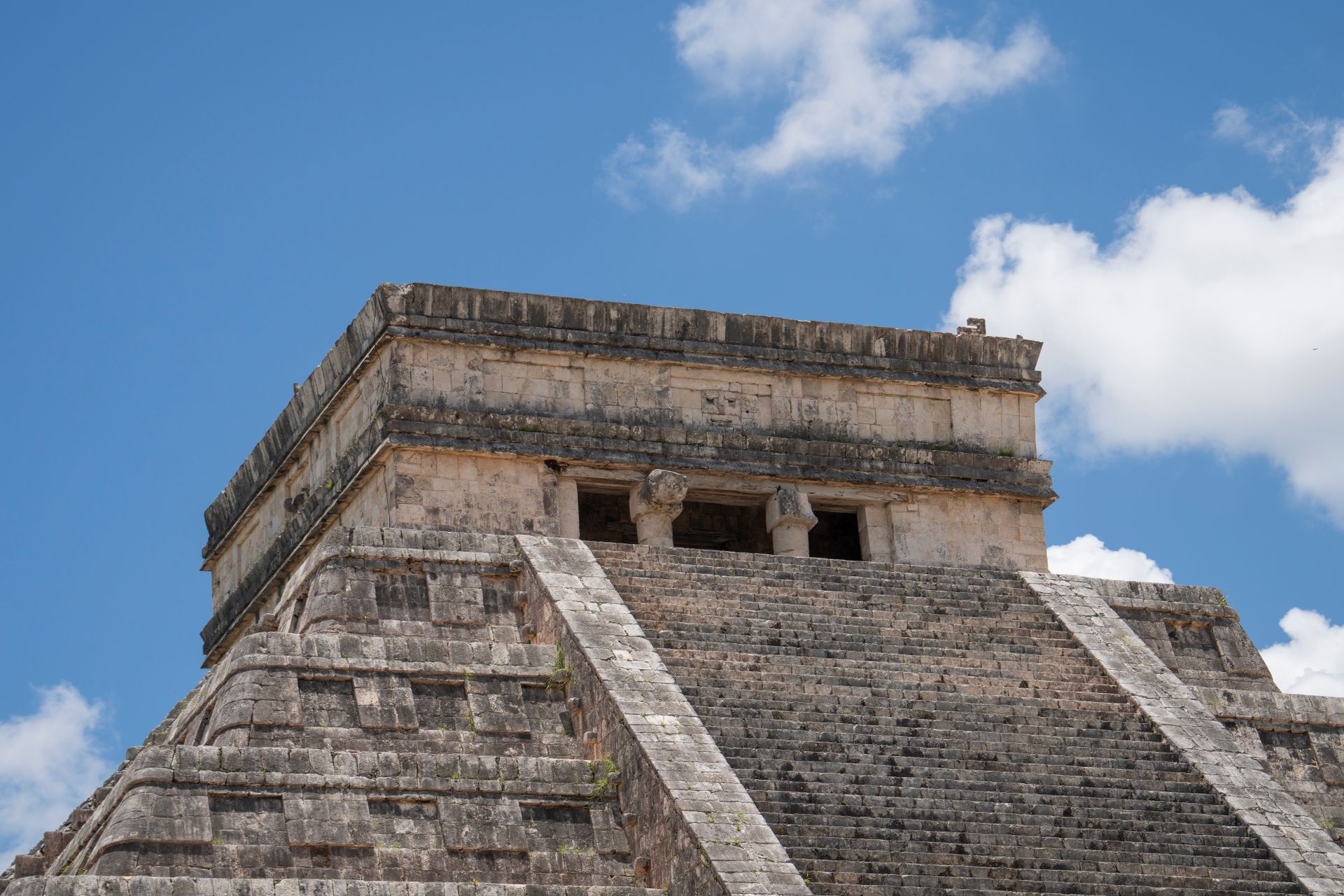
El Castillo, also called the Temple of Kukulcán, is the best-known structure at Chichén Itzá. Allow around 20 to 40 minutes to view the pyramid from different sides and take photographs. This gives you time to appreciate its scale without spending most of your visit in one place. Walking around the pyramid reveals proportions and details that are not visible from a single angle. Its position also helps you understand how the central plaza connects with nearby platforms and ceremonial structures. It deserves more than a quick photograph, but it should not take over the entire route.
During busy periods, the clearest viewpoints attract groups, guides, and visitors arranging photographs. Getting an unobstructed image may take patience. If you have only two hours, spend around 15 to 20 minutes here and continue once you have seen the pyramid from several useful angles.
How long does the Great Ball Court take?
Allow around 20 to 40 minutes for the Great Ball Court. Its long walls and enormous scale create a completely different impression from El Castillo. The stone rings, carved panels, and proportions show that this was far more than a simple playing field. A quick walk through may take only 10 or 15 minutes, but that leaves little time to examine the stonework or understand the space. Closer to half an hour allows you to look along the walls, notice the carvings, and experience its unusual acoustic qualities. The relationship with nearby temples and platforms also becomes clearer when you pause and look around.
The Great Ball Court should remain one of your main priorities during a two-hour visit. It is one of the places where Chichén Itzá begins to feel like a complex ceremonial city rather than a collection of separate ruins.
How long do the temples and platforms take?
After El Castillo and the Great Ball Court, allow around 45 to 75 minutes for the temples, columns, and platforms. This section includes the Temple of the Warriors, the Group of a Thousand Columns, and several smaller structures. Together, they show how far the city extended beyond its central pyramid. The Temple of the Warriors is one of the most recognisable structures outside the main plaza. Its broad staircase and surrounding columns make a strong architectural impression, even though visitors cannot explore every level. The nearby columns give the area a different rhythm and help you imagine how organised this part of the city once was.
Smaller platforms may look less dramatic, but they connect the main buildings within a wider ceremonial setting. Some are best viewed from a distance, while others reward a closer look at carvings and proportions. If you have only two hours, prioritise the Temple of the Warriors and the main columned areas, then add nearby platforms if time and energy allow.
Should you include the Sacred Cenote?
The Sacred Cenote adds around 30 to 45 minutes, including the walk there, a stop at the viewpoint, and the return towards the central area. It is not a swimming cenote. Its importance comes from its role in the ceremonial history of Chichén Itzá and the connection between water, ritual life, and the ancient city. The walk changes the rhythm of the visit because you leave the broad plazas and monumental stone structures behind. The cenote itself may look less dramatic than El Castillo, but it adds historical context and a different view of the surrounding landscape.
This is the first part I would skip during a strict two-hour visit. The central structures already fill that amount of time, especially in hot or crowded conditions. With closer to three hours, the Sacred Cenote becomes a realistic addition and can make the visit feel more complete.
Tickets & Tours
Choose Your Visit Date
Choose Your Visit Date
Choose Your Visit Date
Is two hours enough for Chichén Itzá?
Two hours can be enough, but the route needs to remain focused. Start with El Castillo, continue to the Great Ball Court, and then move towards the Temple of the Warriors and the main columned areas. Add smaller platforms only after completing these priorities. The main disadvantage is the lack of flexibility. A busy entrance, strong heat, slower walking, or waiting for photographs can quickly reduce your sightseeing time. The Sacred Cenote should be included only if you are moving comfortably and have enough time left after the principal monuments.
Two hours suits visitors following a fixed day plan, people with limited energy, or travellers who mainly want a strong overview. It is possible, but it should be treated as the shortened version of the visit rather than the ideal schedule.
Is three hours enough for Chichén Itzá?
For most first-time visitors, three hours is the best choice. It provides enough time for the pyramid, ball court, temples, columns, and platforms at a steady pace. You can usually include the Sacred Cenote as well, provided the entrance and main paths are not unusually busy. Three hours also leaves room for practical pauses. You can stop for water, rest briefly in the shade, and wait for a clearer photograph without disrupting the entire route. This matters around midday, when the exposed sections can slow you down.
If you are following a guide or reading about the buildings as you go, the extra explanations will naturally take time. Three hours will not let you study every detail, but it gives you a clear understanding of the layout and the relationship between the main areas. My practical recommendation for a first visit is therefore to reserve three hours inside the site.
Can you spend four hours or more at Chichén Itzá?
Four hours or more can suit travellers with a deeper interest in Maya history, archaeology, architecture, or photography. The extra time allows you to revisit major areas, inspect smaller details, and take longer breaks without constantly checking the clock. Photography can extend the visit because the main structures change as you move around them. El Castillo looks different from each side, while the ball court, columns, and platforms create distinct lines, details, and shadows. Visitors who enjoy composing photographs may stay longer than expected.
A longer visit works best when Chichén Itzá is the main event of the day and you do not face a demanding transfer afterwards. Staying in Valladolid or Mérida makes four hours easier to accommodate. Travellers returning to the Riviera Maya may find that three hours provides a better balance with the long journey.
What makes a visit take longer?
Crowds can extend the visit around popular viewpoints and major structures. Even when you explore independently, you may need to wait for a clear view or move around a tour group. This affects El Castillo and the Great Ball Court more than the quieter outer sections. Heat also changes the pace because much of the site offers limited shade. Walking steadily and taking short water breaks is more comfortable than trying to push through the entire route. Treat those pauses as part of the visit rather than lost time.
Your interests make an equally large difference. Some visitors want several photographs and a general impression of the main buildings. Others inspect carvings, read signs, listen to explanations, and spend time considering how the city once functioned. The layout adds walking time as well because Chichén Itzá consists of plazas, temples, paths, columns, and separate ceremonial spaces rather than one building with a fixed route.
How long does a guided tour take?
A guided visit inside Chichén Itzá usually takes around 2 to 3 hours. Shorter tours concentrate on El Castillo, the Great Ball Court, and the principal ceremonial buildings. Longer tours spend more time on Maya history, architectural details, symbolism, and the connections between different areas. A guide can make the route more efficient because you follow a clear order instead of deciding where to go next. At the same time, explanations naturally slow the pace. This is useful when you want to understand structures that are not self-explanatory, but it leaves less independent time for photography.
If you enjoy exploring alone, keep 20 to 30 minutes free after the guided section. You can return to a favourite viewpoint or photograph a building without holding up the group. Check the advertised duration carefully because some tour descriptions include transport, lunch, or a cenote rather than only the time inside Chichén Itzá.
How long should you allow from Cancún or Playa del Carmen?
Treat Chichén Itzá as a full-day trip from Cancún or Playa del Carmen. The 2 to 3 hours inside the ruins form only one part of the day. Hotel pickups, road stops, parking, entrance procedures, lunch, and the return journey all add time, while a cenote or Valladolid stop extends the schedule further. Chichén Itzá lies inland and is not a quick side trip from the Caribbean coast. Leaving early gives you a better chance of reaching the ruins before the strongest heat and creates more flexibility if the journey takes longer than expected. An organised excursion may occupy 10 to 12 hours when it includes additional stops.
Driving independently gives you more control over your arrival and departure, but you still need to plan fuel, tolls, parking, and the return route. Organised transport removes those decisions but may include several hotel pickups or scheduled stops. In either case, avoid planning an important evening activity unless your return time is genuinely flexible.
Tickets & Tours
Choose Your Visit Date
Choose Your Visit Date
Choose Your Visit Date
What is the best pace for your visit?
The best pace is steady and focused rather than fast. Begin with the main landmarks while your energy is still good, then adjust the route as the day becomes warmer. Give El Castillo, the Great Ball Court, and the Temple of the Warriors your first attention before deciding whether to add the Sacred Cenote or spend longer around the central structures. Short breaks can make the later part of the route much more comfortable. Drink water regularly and use available shade, but avoid alternating between rushing and very long stops. A consistent pace makes it easier to judge how much time remains.
Do not spend the entire visit taking variations of the same pyramid photograph. El Castillo deserves time, but the ball court, platforms, columns, and ceremonial areas complete the picture of the ancient city. A rewarding visit is not about seeing every stone; it is about understanding how the different spaces fit together.
Suggested timing by visitor type
- Fast visitors — 1.5 to 2 hours: Enough for El Castillo, the Great Ball Court, and the principal nearby structures. This works best if you walk comfortably and do not need long stops.
- Most first-time visitors — 2 to 3 hours: A practical balance between seeing the highlights, taking photographs, pausing in the shade, and exploring beyond the central plaza.
- Families and slower walkers — 3 to 4 hours: Extra flexibility for rests, a gentler pace, and changing priorities during the route.
- Photographers and archaeology enthusiasts — 3 to 4 hours or more: More time for detailed observation, different viewpoints, and the Sacred Cenote.
These timings are not fixed appointments. A family that moves comfortably may finish sooner, while a photographer can spend much longer in the central area. Use the estimates to create breathing room rather than a strict deadline.
Should you visit Chichén Itzá early?
An early visit is usually the most comfortable option. Temperatures are lower during the first part of the day, the main paths may feel less busy, and you begin with more energy for the open sections. It is also easier to absorb an unexpected delay without immediately losing part of your route. A later arrival can still work when your transport or schedule leaves no alternative. In that case, start with the main highlights, keep the route realistic, and check the time of final entry before travelling. Prepare for the heat rather than trying to compensate by walking too quickly.
Arriving early does not reduce the number of hours required to see Chichén Itzá. It simply makes those hours easier to use. For a first visit, entering close to opening and reserving around three hours offers the most comfortable combination.
Tickets & Tours
Choose Your Visit Date
Choose Your Visit Date
Choose Your Visit Date
Final answer: how long does a visit to Chichén Itzá take?
For most first-time visitors, three hours inside Chichén Itzá offers the most comfortable balance. Choose a shorter visit when you only want the central highlights, or allow longer when photography, detailed explanations, or a slower pace matter to you. Remember that travel and the entrance process require additional time.
Are you fitting Chichén Itzá into a longer day in Yucatán? In our Chichén Itzá Visitor Guide, you will find practical information about tickets, tours, timing, transport, and what to expect on the day. For quick answers before finalising your schedule, check our frequently asked questions about Chichén Itzá.