
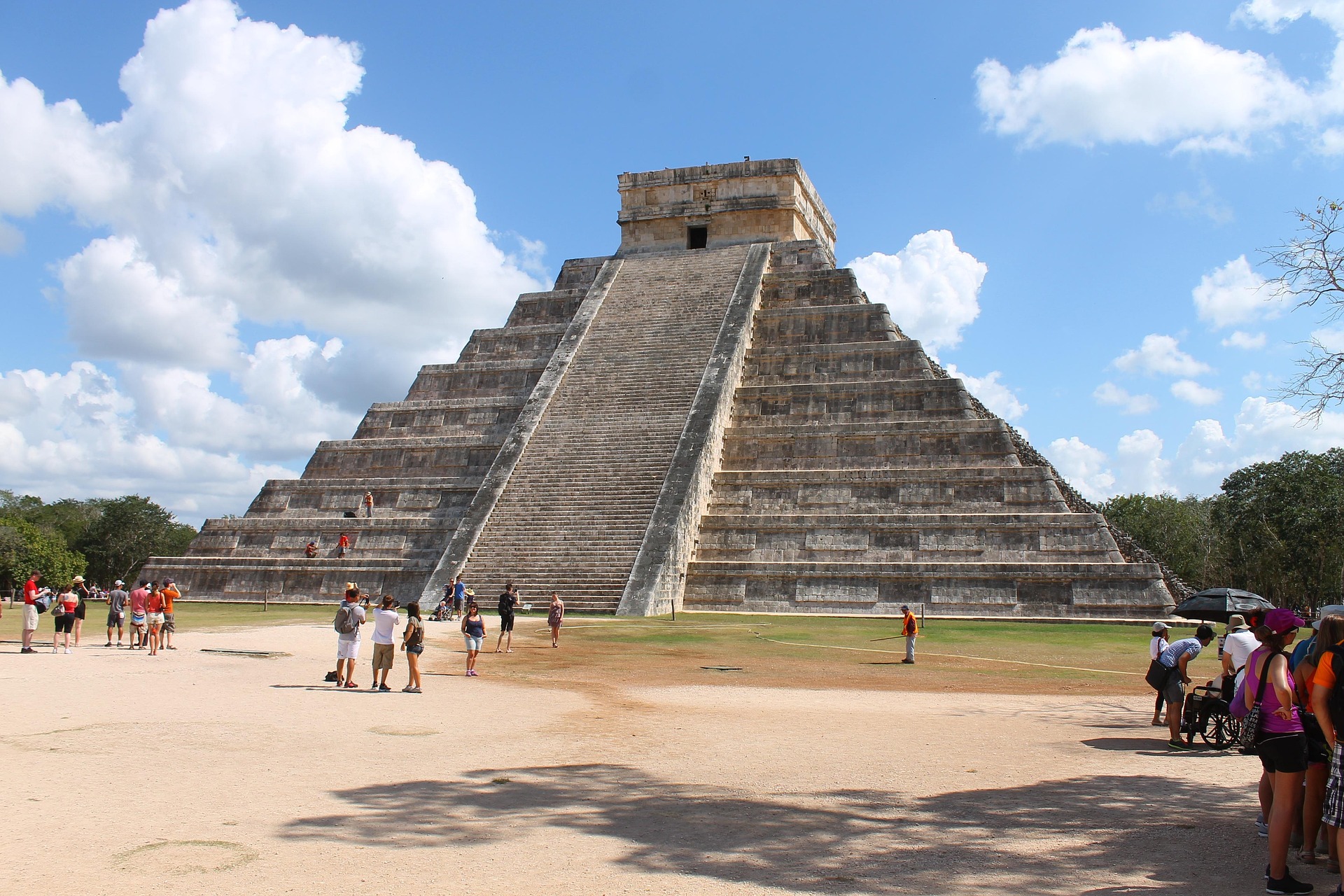
Is Chichén Itzá worth visiting? For most travellers, yes. The combination of Maya history, monumental architecture, photography, and the scale of the archaeological site makes it one of Yucatán’s most distinctive attractions. El Castillo is the immediate draw, but the Great Ball Court, Temple of the Warriors, Group of a Thousand Columns, platforms, carvings, and Sacred Cenote give the visit much more depth.
The experience does come with practical drawbacks. Chichén Itzá can be hot and busy, while the journey from Cancún or Playa del Carmen occupies much of the day. It is most worthwhile when you understand those conditions, allow enough time, and explore beyond the central pyramid.
Tickets & Tours
Choose Your Visit Date
Choose Your Visit Date
Choose Your Visit Date
Why Chichén Itzá is worth visiting
The strongest reason to visit is its historical and cultural importance. Chichén Itzá was a major centre of Maya life, and its surviving buildings reveal advanced knowledge, complex beliefs, and impressive architectural skill. The plazas, platforms, roads, and ceremonial structures belonged to an organised city rather than a collection of isolated temples.
You can also see several different types of Maya architecture in one place. El Castillo has a precise and monumental appearance, while the Great Ball Court and columned areas create completely different spaces. Smaller buildings reward a closer look at carvings, stairways, and proportions. That variety keeps the route interesting as you move through the site.
Its physical scale surprises many first-time visitors. Photographs often concentrate on the pyramid and make the wider archaeological zone look smaller than it is. Once inside, you walk between broad plazas and ceremonial areas spread across a large outdoor site. This makes Chichén Itzá feel like an ancient city rather than a single landmark.
For travellers staying on the Caribbean coast, the visit also adds cultural depth to a holiday built around beaches and resorts. Cancún, Playa del Carmen, and Tulum are closely associated with coastlines and accommodation, while inland Yucatán has a much broader cultural landscape. A day at Chichén Itzá introduces that different side of the region and can become one of the most memorable parts of the trip.
Is El Castillo alone worth the journey?
El Castillo, also called the Temple of Kukulcán, is the structure most people picture when they hear Chichén Itzá. Its symmetry, broad staircases, and position in the central plaza make it impressive from several angles. Seeing it in person provides a much stronger sense of scale than most photographs.
The pyramid should not be your only reason to visit, however. If you take several photographs and immediately leave, you miss the structures that explain how the central plaza connected with ceremonial, political, and social life. Walking beyond El Castillo changes the experience from a famous photo opportunity into a broader view of the ancient city.
Climbing El Castillo is no longer allowed, which may disappoint visitors who remember older photographs of people on the steps. The restriction does not remove the visual impact from ground level. Walking around the pyramid reveals changing proportions, shadows, and architectural details while showing how strongly it dominates the plaza.
What else can you see at Chichén Itzá?
The Great Ball Court is one of the most impressive areas beyond the pyramid. Its high walls, stone rings, carvings, and enormous dimensions feel far more monumental than a simple playing field. Standing inside also gives you a clearer sense of the size and ceremonial importance of Chichén Itzá.
The Temple of the Warriors and the Group of a Thousand Columns provide a striking contrast. Their repeated columns create a different visual rhythm from the solid form of El Castillo. Although the original buildings are incomplete, the surviving layout helps you imagine a much larger organised complex.
Several smaller temples and platforms connect the major monuments. They receive less attention than the pyramid, but their stairways, carvings, and decorative details help explain the structure of the central area. These quieter elements are one reason a visit of several hours feels more rewarding than a rushed stop.
The Sacred Cenote adds another dimension. It is not a swimming location, but an important part of the site’s ceremonial history. The walk takes you away from the busiest central structures and connects the visit more closely with the surrounding landscape and ancient beliefs.
Is Chichén Itzá too crowded?
Crowds are one of the main drawbacks. Chichén Itzá is internationally famous, and many day trips arrive from the Caribbean coast. The entrance and the area around El Castillo become particularly busy from late morning onwards. Visitors expecting a quiet ruin hidden in the landscape may find the atmosphere more active and commercial than anticipated.
Your arrival time still makes a noticeable difference. An early start offers cooler conditions and a calmer period before the largest groups appear. You will not have the site to yourself, but walking and photographing the main structures often feels easier. The best time of day to visit Chichén Itzá depends on whether heat, crowd levels, or photography matters most to you.
Do not judge the entire archaeological site by the busiest part of the central plaza. The outer paths and secondary structures often provide more space. Crowds do not make Chichén Itzá unworthy of a visit, but travellers who strongly prefer peaceful ruins may enjoy a smaller Maya site more.
Tickets & Tours
Choose Your Visit Date
Choose Your Visit Date
Choose Your Visit Date
How much does the heat affect the visit?
Heat has a major influence on comfort because many important structures stand in broad open spaces with limited shade. Around midday, walking between landmarks can become tiring faster than expected. Humidity may also make moderate temperatures feel more intense.
Try to arrive early and visit the most exposed sections before the temperature rises. Later, move towards areas with more natural cover or finish the visit before conditions become exhausting. Water, light clothing, sun protection, and comfortable footwear have a direct effect on how long you can enjoy the site.
The heat does not make Chichén Itzá a poor attraction, but poor timing can shape your opinion of the day. Rushing through the ruins at midday often produces a tiring experience. A steady pace with short shade and water breaks keeps the focus on the history and architecture.
Is the journey from Cancún or Playa del Carmen worth it?
The answer depends on how much of the day you are willing to spend travelling. Chichén Itzá lies inland, so a visit from Cancún or Playa del Carmen should be treated as a full-day outing. Transfers, hotel pickups, stops, parking, and entrance procedures all extend the schedule.
For many visitors, the journey remains worthwhile because the archaeological site offers something completely different from the coastal resorts. A cenote or a short stop in Valladolid can add variety and turn the drive into a broader Yucatán experience. This works best when the itinerary still reserves enough time for the ruins.
Check the actual time at Chichén Itzá before booking organised transport. Some excursions include several pickups, shopping stops, lunch, or other attractions, leaving less time at the main destination. A fixed schedule may also prevent you from staying longer when a particular area interests you. If you dislike early departures or long road journeys, the day may feel demanding even when the site itself impresses you.
Staying in Valladolid makes the visit considerably easier. The shorter journey allows you to arrive near opening, explore at a calmer pace, and avoid a long evening return. This option is particularly practical during a wider journey through Yucatán.
Is Chichén Itzá worth visiting without a deeper interest in history?
You do not need to be an archaeology enthusiast to appreciate Chichén Itzá. The scale of El Castillo, the Great Ball Court, and the columned areas creates a strong visual experience. The site also offers memorable photography and a clear change from beaches, resorts, or cities.
Some historical context makes the buildings more meaningful. Without it, the monuments can start to feel like separate stone structures rather than connected parts of an ancient city. Reading a short introduction before arriving or following a guide helps you recognise the most important areas.
Travellers interested mainly in dramatic scenery may be satisfied with the central plaza and major monuments. Visitors who enjoy understanding how places developed will probably spend longer across the wider site. Both approaches can produce a worthwhile visit when the route and duration match your interests.
Tickets & Tours
Choose Your Visit Date
Choose Your Visit Date
Choose Your Visit Date
Is Chichén Itzá good for photography?
Chichén Itzá is one of Mexico’s most photogenic archaeological sites. El Castillo offers clear lines, balanced proportions, and several strong viewing angles. The Great Ball Court provides dramatic walls and shadows, while the columns create repeated patterns. Smaller platforms also reveal interesting carvings and details in favourable light.
Morning gives you the most reliable overall conditions. The sunlight is softer, the temperature lower, and fewer visitors may stand in front of the main viewpoints. Late afternoon can bring warmer colours, but closing time limits your flexibility. Midday creates harsher contrast between bright stone and dark shadows.
Photography can add considerable time because the main buildings change as you move around them. Visitors who enjoy careful composition may easily spend three or four hours inside. A tightly scheduled visit is less suitable when photography is one of your main interests.
Who may find Chichén Itzá less worthwhile?
Chichén Itzá may feel less rewarding if you strongly dislike crowds, heat, or long day trips. The visit requires outdoor walking, and you cannot experience the principal monuments entirely in the shade. Travellers with very limited time in Yucatán may prefer an attraction closer to their route.
People expecting to climb El Castillo may also be disappointed because access to the steps is restricted. The experience focuses on observing and walking around the monuments. It therefore differs from visiting a site where climbing remains possible. Knowing this before arrival prevents an outdated expectation from shaping your opinion of the whole visit.
If you have already visited several major Maya sites, parts of Chichén Itzá may feel familiar. You might prefer a quieter location surrounded by more natural scenery. Even so, Chichén Itzá remains distinctive because of its scale, architecture, and cultural importance.
How long should you spend at Chichén Itzá?
Most visitors should allow around two to three hours inside the archaeological site. This gives you time for El Castillo, the Great Ball Court, the Temple of the Warriors, and several surrounding structures. With closer to three hours, you can usually include the Sacred Cenote and take short breaks without rushing.
Visitors with a strong interest in archaeology or photography may prefer three to four hours. The extra time allows you to explore beyond the central highlights and revisit buildings from different angles. A longer stay is easiest when you are based nearby.
Your total day will be much longer when travelling from the Caribbean coast. Transport, lunch, entrance procedures, and additional stops extend the schedule. How long a visit to Chichén Itzá takes depends on your pace and itinerary, while organised excursions often take considerably longer than an independent visit.
Tickets & Tours
Choose Your Visit Date
Choose Your Visit Date
Choose Your Visit Date
How can you make the visit more worthwhile?
Start early, but do not build the entire day around avoiding every other visitor. The main benefit is that you can explore the exposed central areas in cooler conditions. You also have more flexibility if the entrance or a photography stop takes longer than expected.
Follow a route that goes beyond El Castillo. Begin with the pyramid and Great Ball Court, then continue towards the Temple of the Warriors and columned areas. Add the Sacred Cenote if your available time and energy make the extra walk worthwhile.
Keep the rest of the day realistic. Chichén Itzá, one cenote, and a meal already create a complete outing. Adding several distant attractions can reduce the time at the ruins and turn the day into a series of transfers.
Finally, arrive with realistic expectations. Chichén Itzá may be busy, warm, and more commercial than smaller archaeological zones. Those drawbacks do not erase the scale, variety, and historical importance that make the site exceptional.
Chichén Itzá compared with quieter Maya sites
Chichén Itzá is not the only Maya site worth visiting in the region. Smaller locations may offer fewer crowds, more natural surroundings, or a quieter atmosphere. Some also allow visitors to explore structures in ways that are no longer possible at Chichén Itzá. These differences can make another site a better match for your travel style.
Quieter does not automatically mean more impressive. Chichén Itzá combines several monumental structures within one archaeological zone. Its pyramid, ball court, columns, platforms, and ceremonial spaces create a varied visit, while its cultural importance explains why it has become so well known.
You do not always need to choose between Chichén Itzá and another site. If your itinerary allows it, visiting more than one reveals how varied the Maya world was. Chichén Itzá offers scale and fame, while smaller locations often provide tranquillity and closer contact with the landscape.
So, is Chichén Itzá worth visiting?
For most travellers to Yucatán, Chichén Itzá deserves a place in the itinerary. Its historical importance, architectural variety, and visual scale justify the journey, provided you allow time to explore beyond El Castillo. It is especially worthwhile if you value Maya history, photography, or major cultural landmarks.
The site is less suitable when you strongly prefer quiet ruins, have very limited time, or want to avoid a long outing from the coast. Heat, crowds, and travel time are real drawbacks, but they are easier to manage with an early arrival and a realistic schedule. With the right expectations, Chichén Itzá is likely to remain one of the defining experiences of a Yucatán trip.
Still deciding how Chichén Itzá fits into your plans? Our Chichén Itzá Visitor Guide brings together practical information about tickets, tours, transport, timing, and the day itself. You can also consult the frequently asked questions about Chichén Itzá for quick answers before finalising your itinerary.