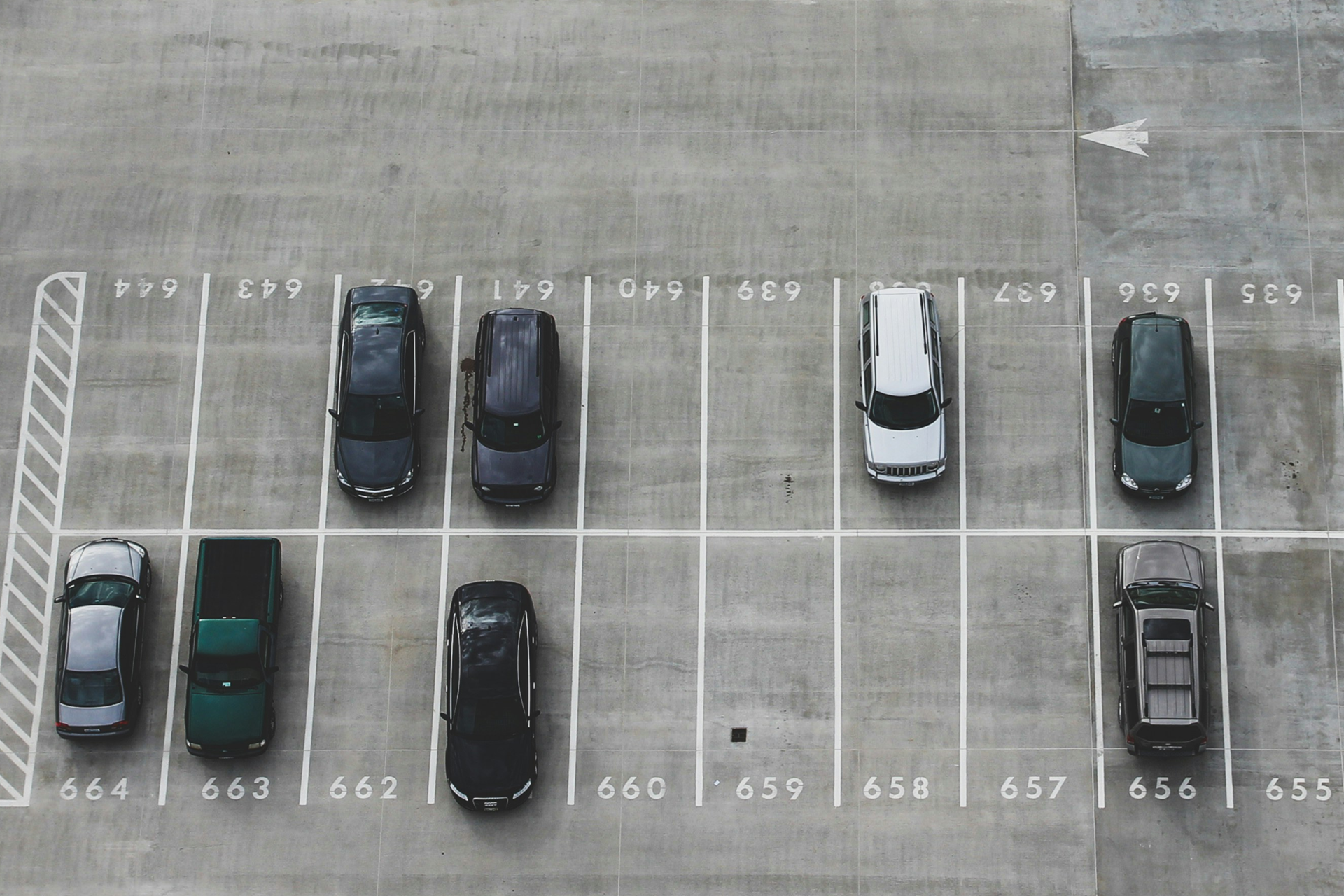
Yes, there is parking at Chichén Itzá. The designated visitor parking area is close to the main entrance, making a self-drive visit straightforward. Parking costs extra and becomes busier later in the morning, so leave time for parking, walking, toilets, and ticket checks before entering the archaeological site. Driving gives you control over your departure time and the rest of the day. You can combine Chichén Itzá with Valladolid or a cenote without following a tour schedule. The main challenge is not finding the site, but allowing enough time for the full arrival process when several coaches, rental cars, taxis, and local vehicles reach the entrance together.
Tickets & Tours
Choose Your Visit Date
Choose Your Visit Date
Choose Your Visit Date
Where can you park at Chichén Itzá?
Follow the signs for the archaeological site as you approach Chichén Itzá. The designated visitor parking area is beside the main visitor complex, from where you continue to the ticket facilities and entrance on foot. You do not need to park in the nearby village or arrange separate transport to reach the ruins. Pay attention to signs and staff during the final approach instead of following your navigation app blindly to its last pin. The arrival area can become congested when coaches, taxis, and rental cars reach the site at the same time. Staff may direct vehicles differently depending on traffic and the spaces currently available.
Although the parking area is close to the entrance, “close” does not mean immediate access. Allow time to park, collect your belongings, walk to the visitor facilities, and pass through the entry procedure. This is especially important if your ticket has a fixed time or you have planned another stop after Chichén Itzá. Use the clearly designated visitor parking rather than accepting the first informal-looking space along the approach road. The official arrival route leads directly towards the normal entrance facilities and makes your car easier to find afterwards. Before walking away, note where you parked because a busy parking area can look different several hours later.
Is parking free at Chichén Itzá?
Parking at Chichén Itzá is not normally included in the admission price. You should expect to pay a separate parking fee in addition to your entrance ticket. Prices and payment arrangements can change, so it is better to budget for an extra charge than depend on an old amount found online. Carry Mexican pesos in case card payment is unavailable or unreliable. Small cash payments remain common at visitor facilities and along routes through Yucatán. Having cash ready prevents a minor payment problem from delaying your arrival.
Do not assume that an advance ticket or organised entry product includes parking. Most tickets cover access to the archaeological site, while transport and parking remain separate unless the booking description states otherwise. Check the inclusions before leaving, particularly if you purchased a combined ticket or tour product. The parking fee is a relatively small part of the cost of a full day at Chichén Itzá. For many visitors, the freedom to arrive, leave, and add another stop makes driving worth the additional expense.
What is parking like during busy periods?
Parking becomes more demanding when many vehicles arrive within the same time window. Late morning is often the busiest period because day visitors from Cancún, Playa del Carmen, Tulum, Mérida, and Valladolid start reaching the site. Spaces may still be available, but slower traffic and queues around the visitor area can delay you. Weekends, public holidays, and popular travel periods place additional pressure on the parking area. The delay does not end when you switch off the engine. You may still need to walk to the facilities, use the toilets, organise tickets, and complete the entrance checks.
Build a buffer into your schedule instead of planning around the quickest possible arrival. Reaching the site early gives you more time if parking takes longer and makes the open archaeological zone more comfortable to explore. The best time of day to visit Chichén Itzá depends on whether heat, crowds, photography, or an easier arrival matters most to you. Do not panic if the central arrival zone looks busy. Coaches, taxis, and cars all converge near the same visitor facilities, which can make the entrance feel more congested than the wider archaeological site. Once inside, the paths and secondary structures usually provide more room than the area around El Castillo.
Tickets & Tours
Choose Your Visit Date
Choose Your Visit Date
Choose Your Visit Date
How early should you arrive for easier parking?
Try to arrive close to opening if you want the easiest parking and entry process. The access roads and visitor area are often calmer before the largest tour groups appear. Temperatures are also more comfortable, so you can begin with the exposed central monuments before the strongest heat develops. Visitors staying in Valladolid have a clear advantage because the journey is much shorter. You can reach Chichén Itzá early without leaving your accommodation in the middle of the night. Staying nearby is worth considering when a quiet arrival and a less hurried visit matter to you.
Driving from Cancún or Playa del Carmen requires an early departure. The journey takes several hours, and a later start can place you at the entrance during the busiest and hottest part of the day. Check the expected driving time shortly before leaving and include room for fuel, tolls, road delays, and a brief stop if needed. Do not schedule your arrival for the exact moment you want to enter. Parking, walking, toilets, and ticket checks all take time. A comfortable buffer lets you follow local directions without rushing and prevents a small delay from affecting the rest of your itinerary.
Is driving to Chichén Itzá a good idea?
Driving is a practical choice when you value independence. You decide when to leave, how long to stay, and whether to continue to a cenote or Valladolid afterwards. This flexibility is particularly useful when organised excursions spend less time at the ruins than you would prefer. The main routes are manageable for travellers comfortable with driving in Mexico, but prepare before departure. Check the route, tolls, fuel level, expected journey time, and current road conditions. Downloading the route for offline use is sensible if mobile coverage becomes unreliable.
A rental car is especially useful when you are staying outside a major resort area or following a wider Yucatán itinerary. You are not tied to bus times, hotel pickups, or a group’s departure schedule. You can also arrive earlier than many organised excursions. Driving is less appealing if you dislike long road journeys or expect to feel tired after several hours in the heat. The return to the coast can be demanding after walking around the archaeological site. Whether Chichén Itzá is worth visiting depends on the travel time, your available energy, and what you want from the day—not only on the parking arrangements.
Driving from Cancún or Playa del Carmen
A self-drive visit from Cancún or Playa del Carmen is a full-day outing. Allow time for the outward journey, tolls, parking, entry, the archaeological site, meals, and the return drive. Adding Valladolid or a cenote creates a satisfying day, but it also makes an early departure more important. Check whether your route uses toll roads and carry enough cash for the journey. Toll routes may save time, but they increase the total cost and are easiest when you prepare before leaving the resort area. Fill the tank in advance rather than relying on finding fuel at the moment you need it.
Confirm the local time used for your ticket and planned arrival. Cancún and inland Yucatán have not always followed identical seasonal clock arrangements, which has caused confusion for travellers. Check the current times shortly before your visit instead of relying on an old travel article. Avoid filling the day with several distant stops. Chichén Itzá, a cenote, and a meal already form a complete itinerary. Driving gives you flexibility, but that freedom is most useful when you leave enough time to enjoy each place.
Driving from Valladolid or Mérida
Valladolid is one of the easiest bases for driving to Chichén Itzá. The shorter journey makes an early arrival realistic and reduces the pressure of a long return trip. You can enter before the busiest period and still begin the morning at a comfortable pace. Mérida is farther away, but driving remains practical. The journey is often easier to fit into the day than a trip from the Caribbean coast, depending on your starting point. Leave early enough to account for parking and the entry procedure without cutting into your time inside.
Both cities work well as part of a wider route through Yucatán. A car allows you to travel between archaeological sites, towns, and cenotes without returning to the same coastal resort every evening. Chichén Itzá then becomes part of a broader journey rather than one very long day trip. Staying inland is especially useful for photographers, families, and visitors who prefer a slower pace. You can spend longer at the site without facing several hours of driving afterwards. That makes delays and additional breaks much easier to absorb.
Tickets & Tours
Choose Your Visit Date
Choose Your Visit Date
Choose Your Visit Date
What should you leave in the car?
Avoid leaving passports, money, electronics, bags, or other valuables clearly visible inside the vehicle. Even in a designated visitor parking area, a rental car should not look as though it contains easy targets. Store essential belongings securely or take them with you when appropriate. If you are travelling with suitcases, leave them at your accommodation whenever possible. A car filled with luggage creates unnecessary concern during the visit. When that is not possible, keep everything covered and out of sight before reaching the parking area rather than rearranging valuables after arrival.
The interior of a parked car becomes extremely hot. Do not leave medication, food, electronics, pressurised containers, or other heat-sensitive items exposed for several hours. Take the water you need into the archaeological site instead of expecting drinks left in the car to remain cool. Before walking away, check the doors and windows carefully. Rental vehicles sometimes have unfamiliar locking systems, so confirm that the car is secure. Note your parking position or a nearby landmark to make the vehicle easier to find when you return.
What should you take from the parking area?
Take water, a hat, sun protection, and comfortable footwear with you from the start. Large parts of Chichén Itzá are open and exposed, and returning to the car interrupts the normal route towards the entrance. Organise everything before leaving the vehicle so you do not have to walk back. Keep your entrance details and any required identification within easy reach. Searching through a bag near the ticket facilities slows down the process, particularly when travelling with children or a larger group. Preparing tickets and documents in the car creates a calmer transition into the site.
A lightweight bag is more practical than carrying equipment for every possible situation. You will be walking outdoors for several hours, often in warm conditions. Bring what you genuinely need, but avoid turning the visit into a heavily loaded hike. Choose photography equipment according to your priorities. A phone or small camera is sufficient for most visitors, while larger equipment adds weight and requires more attention. If photography is a major part of your visit, allow additional time rather than rushing between the monuments.
How long should you allow for parking and entry?
Do not calculate your arrival time from the drive alone. Parking, walking, toilets, collecting your belongings, and entrance checks can easily add 20 to 45 minutes. The process may take longer when several tour groups and private vehicles arrive together. Most visitors spend around two to three hours inside the archaeological site, with parking and entry added separately. Lunch, Valladolid, or a cenote extends the day further. Thinking only about the time among the ruins creates an itinerary that looks manageable on paper but feels rushed in practice.
Avoid booking every stop at fixed, closely spaced times. Traffic, parking, and entrance conditions are not completely predictable. A small buffer at the start protects the remainder of the day from one minor delay. Short, standard, and slower visits require different schedules. Knowing how long a visit to Chichén Itzá takes helps you combine parking, entry, and sightseeing without leaving large unused gaps. For travellers arriving from the coast, reserving the full day is the most realistic approach.
Can you park and visit a cenote afterwards?
Driving makes it easy to continue from Chichén Itzá to a cenote. Once you return to the parking area, you can leave directly without waiting for scheduled transport. You can also choose a cenote that fits your route, available time, and preferred atmosphere. Visit Chichén Itzá first when possible. The archaeological site is more comfortable for walking in the morning, while a cenote provides a refreshing change afterwards. Reversing the order often places you among the ruins during the hottest part of the day.
Choose one cenote rather than building a route around several swimming stops. Local roads, parking, changing clothes, and entry procedures all consume time. A simpler itinerary gives you enough time to enjoy both Chichén Itzá and the cenote. Keep swimwear, dry clothes, a towel, and a bag for wet items organised in the car. Store them out of sight and do not leave valuables visible while swimming. Preparing these items before departure saves you from unpacking the vehicle in each parking area.
Tickets & Tours
Choose Your Visit Date
Choose Your Visit Date
Choose Your Visit Date
Parking for families and older visitors
Families should allow extra time between parking and the entrance. Children may need toilets, drinks, sunscreen, or help preparing for the heat before the walk begins. Organising hats, water, and tickets beside the car gives the visit a calmer start. Older visitors may also benefit from a slower arrival. Even when the parking area is nearby, heat and walking can make the distance feel longer. Take a moment to organise belongings and check that everyone is comfortable before continuing to the entrance.
Follow staff directions and choose the most practical available space rather than circling repeatedly for the closest position. How spaces are assigned depends on traffic and current availability. Taking everything you need on the first walk is usually easier than returning to the vehicle. A realistic route matters more than seeing every corner of the site. Families and older visitors may prefer the main monuments with carefully timed breaks. The parking location can make departure slightly easier, but comfort inside the archaeological zone should guide the overall plan.
Common parking mistakes to avoid
The most common parking problems come from unrealistic planning rather than the absence of spaces:
- Planning to enter immediately: Reaching the visitor area does not mean you are already inside. Allow time for parking, walking, toilets, and ticket checks.
- Depending on an old parking price: Fees and payment methods can change. Carry Mexican pesos and another payment option.
- Leaving valuables visible: Remove bags, electronics, passports, and money from sight before walking away.
- Following only the navigation pin: Watch local signs and follow staff directions during the final approach.
- Forgetting essential items: Take water, sun protection, tickets, and suitable footwear before leaving the car.
- Arriving late with a tight itinerary: Parking may still be available, but traffic and entry queues leave less room for delays.
A quick check before leaving your accommodation prevents most of these issues. Confirm the route, fuel level, payment options, tickets, and the items you need inside the site.
Final thought: is there parking at Chichén Itzá?
There is designated parking near the main visitor area, so driving to Chichén Itzá is practical for many travellers. Expect a separate parking charge and allow additional time for the walk and entrance procedure. Arriving close to opening offers the best combination of easier parking, lower temperatures, and a less crowded start. Driving is especially useful when you want to combine Chichén Itzá with Valladolid or one cenote. It gives you control over the day, but the long journey from the Caribbean coast still requires a realistic full-day schedule. Prepare your payment method, secure valuables, and take everything you need before heading towards the entrance.
To organise the rest of the day around your arrival, use our Chichén Itzá Visitor Guide for practical information about tickets, tours, timing, transport, and the archaeological site. The frequently asked questions about Chichén Itzá provide shorter answers when you only need to check one final detail.